We arrived in Southeast Arizona back in April of 2021. We didn’t know it yet but along about July it was going to start raining. A lot. I didn’t have a rain gauge that summer, so I don’t know exactly how much rain we got that year. I also didn’t know that it doesn’t take much rain for Southeast Arizona to green up to epic proportions so when the rains started and the grasses started growing I was astounded to see how much Southeast Arizona looked like the Midwest. I say Southeast for a particular reason. Southeast Arizona is a different cat compared to the rest of Arizona. Everyone thinks that Arizona is a crazy hot and cactus covered place. And for the most part they’d be right. Except for the pine forests of the northern plateaus Arizona IS covered with cactus and hotter than blazes.


In the first two years we got pul-lenty of rain each summer monsoon season and it got so green I started calling it VERDI zona. (i.e. Green zona as opposed to ARIDzona). The second year we got a rain gauge and discovered that the copious rain we thought we were getting was not copious at all. When we lived at the ranch in Northern California we thought that was a dry place with only 15 inches of rain a year. So, when we accumulated 11 inches in the second very green year here I realized there was a reason it was called Arid-zona. It was truly arid and the plants and animals had adapted so well that when they got only 11 inches, they took advantage and took off!
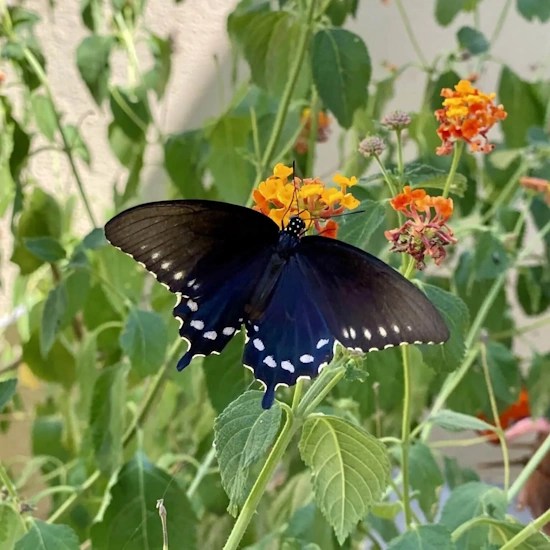
Those first two years we were treated to swarms of horse lubber grasshoppers and butterflies. What a lively place it was. And beautiful.

That’s when the gate slammed shut. The next three years we got hardly any rain at all.
It was very disheartening. And depressing because it really didn’t green up at all. It pretty much stayed brown all through the year. Only a paltry amount of green made it and I found that I don’t do well without green. Luckily, we had a really good well and were able to irrigate our 20 desert adapted newly planted baby Afghan pine trees and my 40 x 40-foot garden filled with vegetables that were also desert adapted. But, hey, just because they’re desert adapted doesn’t mean they don’t need water. I grew Mexican watermelons and Cushaw squash, amaranth and Navajo corn. We made the best of it. When I needed green, I went out to the garden and just sat there.
We were successful because the Afghan pines that were only three feet tall in 2021 are now 20 feet tall and glorious.
This year we’re back to lots of rain. I’m having a hard time keeping up with keeping the weeds down. At least the spiny pigweed (wild amaranth) is not taking over like it did the first year. We’re not getting the grasshoppers yet but plenty of butterflies are gorging themselves on the pollen from my volunteer zinnias. Thank God. I like seeing the butterflies. The grasshoppers are pretty, but I can take them or leave them.

Leave a Reply